9. Global Media, Law, & Ethics
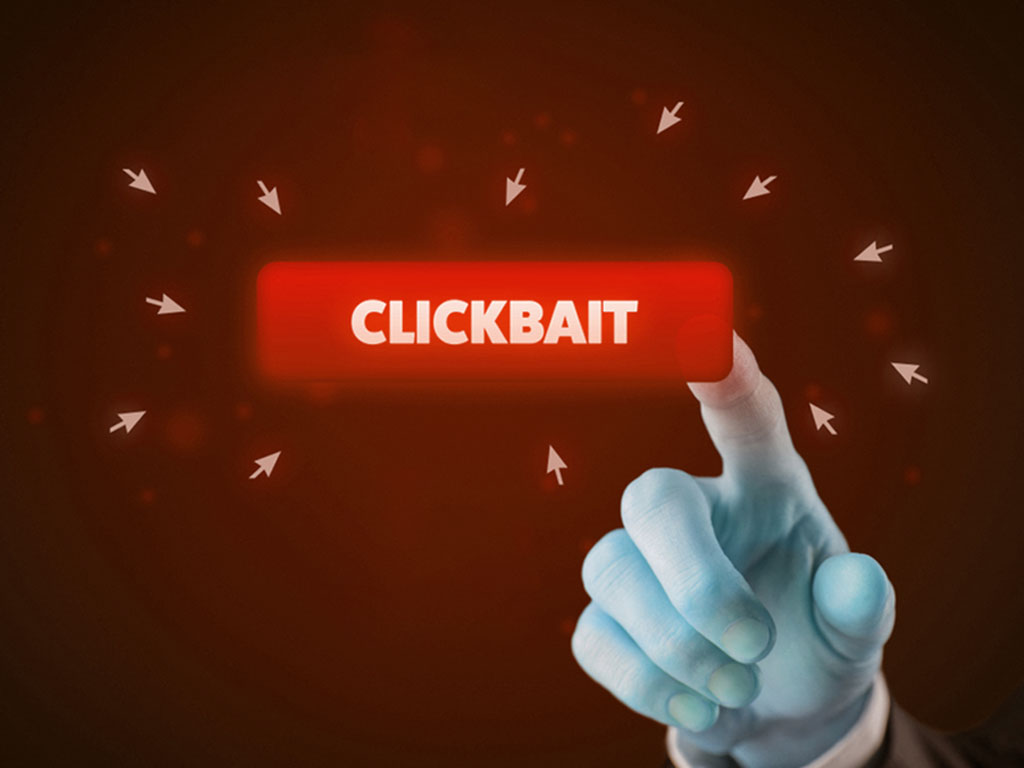
Clickbait is a term used to describe online content, typically headlines or thumbnails, that are designed to entice users to click through to a particular webpage or article. Its allure lies in its ability to entice users with promises of shocking revelations, jaw-dropping transformations, or secrets. Yet, behind the flashy titles and exaggerated claims comes with consequences, ranging from the erosion of trust to the proliferation of misinformation. Clickbait perpetuates the spread of misinformation and disinformation. By prioritizing clicks over accuracy, content creators may exaggerate or distort facts to generate engagement.
The primary goal of clickbait is to generate clicks and increase advertising revenue or boost engagement metrics such as page views and shares. By leveraging curiosity, shock value, or emotional triggers, clickbait aims to capitalize on the short attention spans of online users and exploit their desire for instant gratification.
Different Types of Clickbait:
- Curiosity Gap - Clickbait using the curiosity gap technique shows incomplete information in the headline, leaving readers curious and eager to learn more.
- Celebrity Gossip - Clickbait centered around celebrities' personal lives intrigue the audience's fascination with the celebrities.
- Fake News - Some clickbait deliberately spreads false or misleading information to attract clicks and generate controversy.
Examples:


While clickbait can be an effective strategy for driving short-term traffic and
engagement, it is often criticized for its negative impact on user experience and the credibility of online content. Users may feel frustrated or misled when they realize that the promised content does not live up to the sensational headline, leading to a decline in trust and loyalty toward the publisher.
Clickbait often sacrifices accuracy and truthfulness in favor of attracting clicks. This can lead to the spread of misinformation and falsehoods, as sensationalized headlines may not accurately reflect the content of the article or video.
When actually reading into the article, it says, "the use of the advanced tools suggests Russian President Vladimir Putin was involved in the hacks". The article writers did not in fact know of any intelligence that ties Putin.

Deep Fakes:
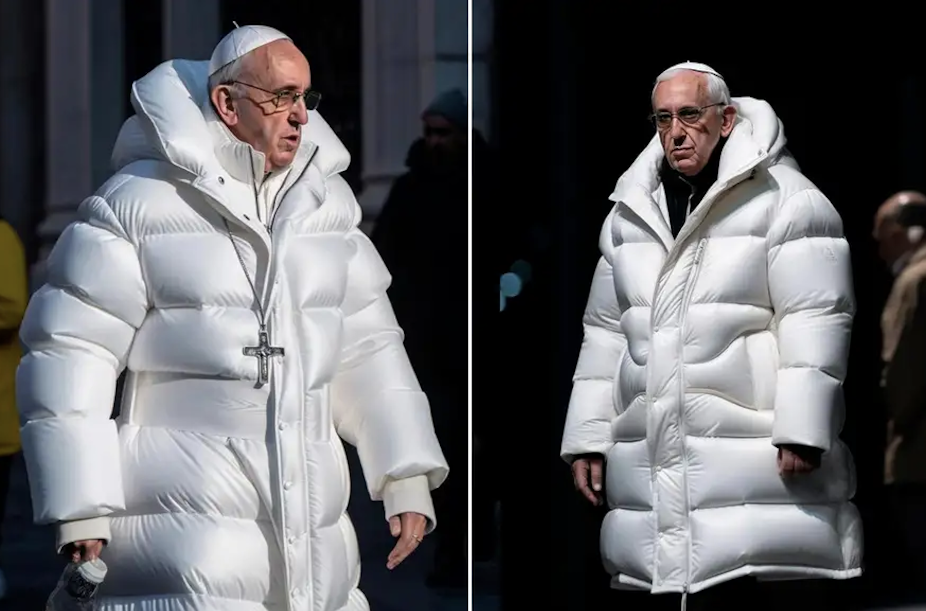
Deepfakes are a type of media created using artificial intelligence techniques, particularly deep learning algorithms, to superimpose or manipulate existing images, videos, or audio recordings. One recent example of deep fakes is the Pope wearing a puffer jacket. This never happened, but the deep fake has made some people believe this image is real.
Conclusion:
In conclusion, clickbait represents a double-edged sword in the realm of online media consumption. While it may succeed in capturing attention and driving engagement, its detrimental effects on trust, information integrity, and mental well-being cannot be overlooked.
Comments
Post a Comment